
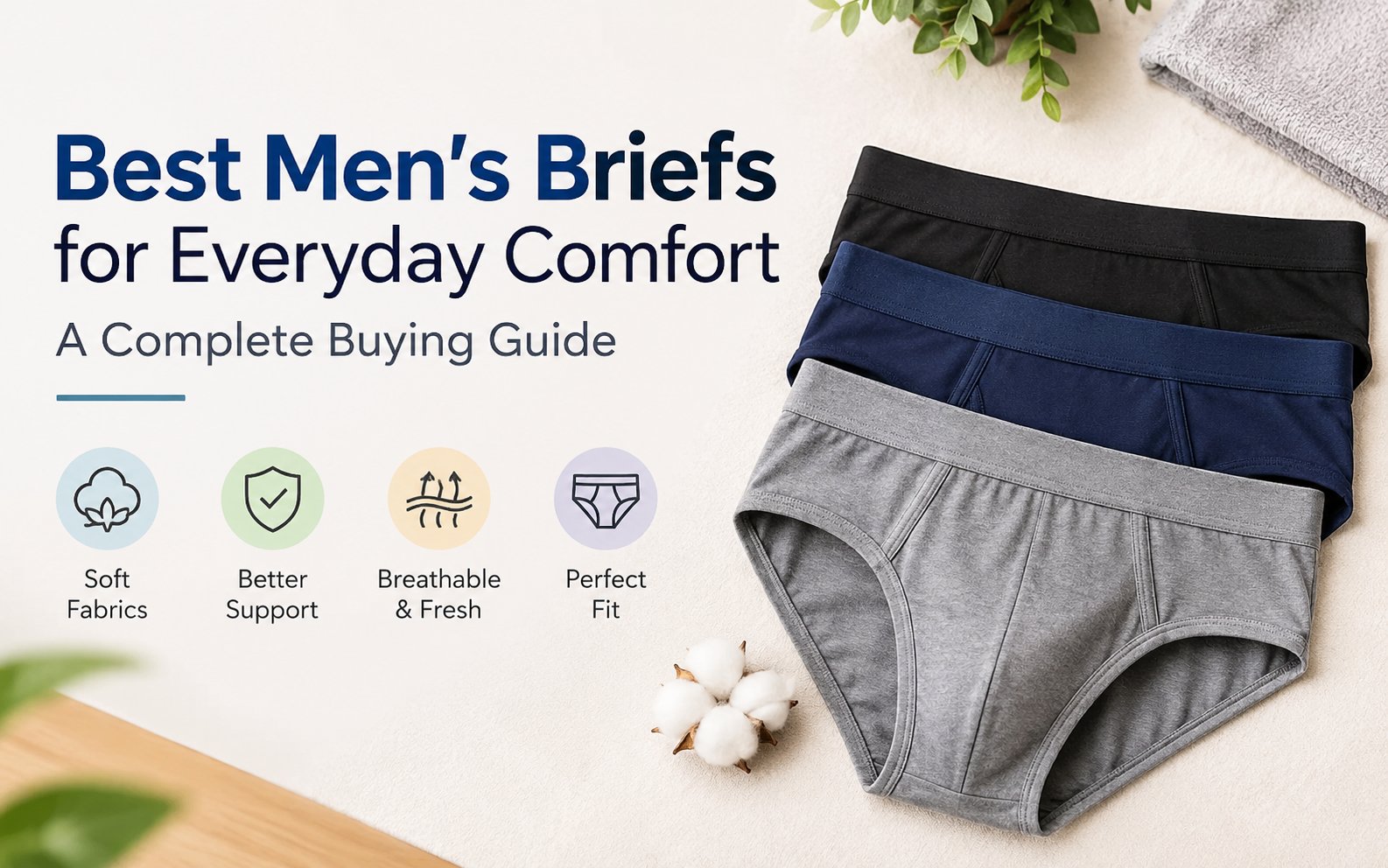
Choosing the best men's briefs is about more than appearance. The right underwear should fit properly, feel comfortable against the skin, provide suitable support and remain practical throughout the day. Whether you spend long hours at work, travel frequently, exercise regularly or prefer relaxed clothing at home, your choice of underwear can make a noticeable difference to your everyday comfort.
Men's briefs remain a popular option because their compact design provides support without the extra fabric found in longer underwear styles. However, not every pair offers the same experience. Fabric, waistband construction, leg openings, stitching, sizing and care requiremen ts all influence how underwear feels during daily activities.
If you are comparing men's briefs for the first time or replacing an old collection, understanding these features can help you make a better purchase. This men's briefs buying guide explains how to choose suitable materials, find the right fit, compare different designs and select comfortable men's underwear for daily wear.
For shoppers looking for the best cotton briefs for men in India, climate is another important consideration. Warm weather, humidity, long commutes and extended working hours can make breathability and moisture management especially relevant when selecting everyday underwear.
What Makes the Best Men's Briefs for Everyday Wear?
The best men's briefs combine a comfortable fit, suitable fabric, reliable support and construction that works for your routine. They should sit securely around the waist, provide enough room in the front and stay in place without digging into the skin or creating unnecessary pressure.
Several features deserve attention before you buy:
Comfortable fabric: The material should feel pleasant against the skin and suit the temperature and activity level.
Correct sizing: The waistband and leg openings should fit securely without pinching or excessive looseness.
Supportive design: The front pouch should provide appropriate support without feeling restrictive.
Breathability: Fabric that allows air to circulate can help underwear feel more comfortable during extended wear.
Soft construction: Smooth seams, suitable stitching and a well-finished waistband can reduce irritation.
Durability: Fabric quality, stitching and care instructions influence how well a pair holds its shape over time.
No single pair will be perfect for every person. Someone working at a desk may prioritise soft fabric and a non-restrictive waistband, while someone who walks frequently may pay closer attention to leg openings and how well the underwear stays in place.
The best briefs for men are therefore the ones that suit your body, clothing preferences, climate and daily routine rather than simply the pair with the most features.
Why Are Men's Briefs a Practical Choice?
Men's briefs have a compact shape with a defined front pouch and short leg openings. Unlike boxer shorts, they do not have loose fabric extending down the thighs. This makes them a practical option for wearing beneath trousers, jeans, fitted clothing and many types of workwear.
1. A supportive fit
Briefs are designed to hold close to the body. A correctly sized pair can provide everyday support without requiring the wearer to adjust loose fabric throughout the day.
The important distinction is between support and tightness. Underwear should feel secure, but it should not cause discomfort, leave persistent pressure marks or restrict normal movement.
2. Less fabric around the thighs
The shorter design can be useful when wearing slim-fit trousers or clothing with narrow leg openings. Because briefs do not extend far down the thighs, there is less underwear fabric to bunch up beneath clothing.
This feature may also appeal to men who prefer a lightweight design during warmer months.
3. Easy everyday styling
Briefs work with many everyday outfits, from office trousers and casual jeans to shorts and loungewear. Their compact shape makes them a straightforward choice for a basic underwear collection.
4. A practical option for warm weather
Underwear with an appropriate lightweight, breathable fabric can feel more comfortable in warm conditions. However, the cut alone does not determine how cool a pair feels. Material, fabric thickness, fit and moisture handling also matter.
For men's underwear in hot weather, consider the complete garment rather than assuming that every brief will provide the same level of ventilation.
Which Fabric Is Best for Men's Briefs?
Fabric is one of the most important factors when choosing comfortable men's underwear. Different materials offer different combinations of softness, stretch, breathability, drying time and shape retention.
The right choice depends on how you plan to use the underwear and what feels comfortable against your skin.
Men's cotton briefs
Cotton is a familiar option for everyday underwear because it is generally soft, absorbent and comfortable against the skin. Men's cotton briefs can work well for office wear, home use and ordinary daily activities.
Cotton is particularly worth considering if you prefer a natural-feeling fabric and a straightforward design.
Before purchasing, check the product's actual fabric composition. Some briefs are made entirely from cotton, while others combine cotton with elastane or other fibres to improve stretch and fit.
A cotton blend may offer more flexibility than a comparable non-stretch fabric. The exact result depends on the proportions and construction, so check the garment label rather than assuming every cotton brief behaves identically.
Cotton blends with stretch
A blend containing cotton and elastane can provide a closer fit while allowing the garment to move with the body. This can be useful when sitting, walking, bending or wearing fitted trousers for extended periods.
Stretch fibres may also help a garment recover its shape, although the quality of the fabric and construction remains important.
If you prefer supportive briefs for men that do not feel stiff, a cotton-stretch blend may be worth comparing with a traditional cotton option.
Synthetic and performance fabrics
Some underwear uses synthetic fibres or specialised fabric blends. Depending on their construction, these materials may dry faster or manage moisture differently from conventional cotton.
They can be useful for particular activities, including exercise and travel. However, performance varies between fabrics, and a synthetic garment is not automatically more breathable or more comfortable than cotton.
Check the manufacturer's product description for verified details about fibre composition, intended use and care requirements.
How should you choose between fabrics?
Consider these general guidelines:
Choose cotton if you prefer a familiar, soft-feeling material for routine daily wear.
Consider cotton with stretch if flexibility and a close fit are priorities.
Compare performance fabrics if you need underwear for exercise or activities that involve substantial sweating.
Check fabric thickness and care instructions if you need underwear suitable for frequent washing.
If a particular material irritates your skin, try a different fabric composition and pay attention to how the garment feels after several hours of wear.
There is no universally best fabric for every man. Personal comfort, climate and the specific garment's construction should guide your decision.
How to Choose the Right Size and Fit
The correct size is essential when buying the best men's briefs. Even a well-made pair can feel uncomfortable if the waistband is too tight, the pouch is restrictive or the leg openings do not sit properly.
Your usual clothing size can provide a starting point, but underwear sizing varies by brand and design. Always check the size chart for the specific product you intend to purchase.
Check your waist measurement
Use a flexible measuring tape to measure around your waist at the position where the waistband normally sits. Keep the tape comfortably snug rather than pulling it tightly against your body.
Compare the measurement with the brand's size chart. If your measurement falls between two sizes, review the brand's guidance and consider whether you prefer a closer or more relaxed fit.
Avoid choosing a smaller size simply because you want extra support. A garment that is too tight may create discomfort and restrict movement.
Make sure the pouch has enough room
The front pouch should provide appropriate space and support without pulling tightly across the body. Excessive tightness can make ordinary activities uncomfortable, while an overly loose pouch may fail to provide the fit you prefer.
Different designs offer different pouch shapes, so pay attention to product images, descriptions and construction details when shopping online.
Check the waistband
A waistband should sit securely without rolling, digging into your skin or slipping down during movement. Its width and elasticity can affect how comfortable it feels throughout the day.
If you sit for long periods, a soft, flexible waistband may be preferable to one that feels stiff or excessively firm.
Look at the leg openings
The leg openings should follow the body comfortably. If they press into the upper thighs, leave uncomfortable marks or restrict movement, try another size or design.
If the openings feel too loose, the briefs may not stay in your preferred position. A different cut may solve the problem even if the waist measurement is correct.
Understand the difference between snug and tight
A good fit feels secure without requiring constant adjustment. You should be able to sit, walk, bend and move normally without feeling pinched or restricted.
After wearing a new pair for a few hours, notice whether the waistband shifts, the fabric bunches up or the seams cause irritation. These small details can help you decide whether the size and cut are right for you.
Are Cotton Briefs Better for Indian Weather?
Cotton briefs can be a practical choice for many people living in India, particularly those who prefer a soft fabric for regular use. However, comfort in warm and humid conditions depends on several factors, including fabric weight, fit, sweat levels and the time spent outdoors.
Cotton absorbs moisture, which can be comfortable for everyday use, but damp cotton may take longer to dry than some synthetic fabrics. This distinction matters during long commutes, outdoor activities and periods of heavy sweating.
When selecting the best cotton briefs for men in India, consider the following points:
Choose a comfortable fabric weight. Very thick underwear may feel warmer, especially when worn beneath fitted trousers.
Prioritise a suitable fit. Excessively tight underwear can trap heat and create friction, regardless of its material.
Consider your daily routine. Office workers, travellers and people working outdoors may have different comfort requirements.
Carry a change when necessary. If you sweat heavily during the day, changing into a clean, dry pair may help you feel more comfortable.
Follow washing instructions. Regular cleaning and thorough drying help keep underwear fresh and ready for use.
Breathable men's underwear can make daily dressing more comfortable, but no fabric can prevent sweating entirely. If you experience persistent irritation, discomfort or unusual skin symptoms, consider changing the garment and seeking medical advice when appropriate.
How Do You Choose Briefs for Different Daily Activities?
Your daily routine can help determine which briefs are most suitable. Instead of buying every pair in the same design, consider choosing underwear based on how and where you intend to wear it.
For office wear
If you spend most of your working day sitting, look for soft fabric, a comfortable waistband and leg openings that do not press into the skin.
Briefs that sit smoothly beneath formal trousers can also help prevent unwanted bunching. Cotton or a cotton-stretch blend may be a useful starting point, depending on your preferences.
For long office hours, comfort is more important than decorative details or unnecessary design features.
For commuting and travel
Walking, sitting in a vehicle and moving between locations can make fit particularly important. Choose a pair that stays in place and does not require frequent adjustment.
If you travel for several hours, pack enough clean underwear for the journey and keep a spare pair accessible when practical. Fabrics with different drying characteristics may also be worth comparing, depending on your travel conditions.
For exercise and active days
For exercise, consider how much you sweat, the type of movement involved and whether the underwear stays comfortable while you move.
A supportive design with suitable stretch may work well for some activities. Performance-oriented fabrics can also be worth considering if quick drying is a priority.
Remember that everyday briefs are not necessarily designed for every sport. For high-impact exercise, compare the garment's intended use and construction before deciding.
For relaxing at home
At home, many men prefer lightweight underwear with a soft waistband and a relaxed yet secure fit. If you spend long periods sitting or resting, avoid designs that create pressure around the waist or thighs.
The best choice is the pair you can wear comfortably without constantly noticing the fabric or adjusting its position.
For hot and humid days
Choose underwear that feels comfortable against your skin and does not fit excessively tightly. Lightweight cotton or a suitable performance blend may be worth trying.
Keep in mind that clothing worn over your underwear also affects comfort. Loose, breathable trousers may feel different from thick, close-fitting jeans, even when you wear the same briefs.
Men's Briefs vs Boxer Shorts: Which Should You Choose?
Men's briefs and boxer shorts serve similar purposes, but their designs offer different wearing experiences.
Briefs have a compact cut with short leg openings. Boxer shorts generally provide more fabric around the thighs and may offer a looser fit, depending on the style.
Choose briefs if you prefer:
A compact design beneath fitted trousers.
Support without extra fabric extending down the thighs.
Short leg openings.
Underwear that works well with many everyday outfits.
Consider boxer shorts if you prefer:
More fabric coverage around the thighs.
A looser feel, particularly with traditional woven styles.
An underwear design that suits relaxed clothing.
There is no universal winner in the briefs-versus-boxers comparison. Boxer briefs, which combine a supportive fit with longer legs, are another option if you want more thigh coverage than traditional briefs provide.
If you are unsure, try different styles and compare how they feel beneath your usual clothing. Comfort and fit are more useful decision-making factors than following a general rule about which style men should wear.
What Features Should You Check Before Buying Men's Briefs Online?
Buying underwear online is convenient, but you cannot check the fabric or fit in person before placing an order. Reading the product information carefully can help you make a more informed decision.
Before purchasing men's briefs, review these details.
1. Fabric composition
Check the percentage of cotton, elastane or other fibres used in the garment. A product described as cotton underwear may still contain other materials.
Choose a composition that matches your preferences for softness, stretch and moisture handling.
2. Size chart and measurements
Use the brand's size chart instead of relying entirely on the size you wear in other clothing. Different manufacturers may use different measurements for the same labelled size.
If the chart provides waist measurements, compare them with your own before ordering.
3. Waistband and stitching
Look for clear product images showing the waistband, seams and leg openings. Smooth finishing and well-constructed seams can contribute to comfort during extended wear.
Product images cannot confirm every aspect of construction quality, so consider any available product specifications and return conditions as well.
4. Colour and multipack options
Neutral colours can be practical for everyday use, while multipacks may be convenient if you are building a basic underwear collection.
Before choosing a multipack, check whether all included pairs have the same material, size and design. A lower price per pair is useful only if the underwear meets your needs.
5. Washing and return policies
Read the care instructions and check the seller's exchange or return policy before ordering. Underwear may have special hygiene-related return restrictions, so confirm the applicable terms rather than assuming a size exchange will be available.
For shoppers considering Hivra Soft, reviewing the available men's brief product descriptions, sizes and fabric details on the website is a sensible starting point.
Common Mistakes to Avoid When Buying Briefs
A few simple mistakes can make underwear less comfortable than expected. Avoiding them helps you choose pairs that are better suited to your needs.
Choosing the wrong size: A smaller size does not automatically provide better support. Follow the measurements and look for a secure, non-restrictive fit.
Ignoring fabric composition: Two pairs that look similar may feel different because their fibre blends and fabric weights differ. Check the label before purchasing.
Focusing only on price: Budget matters, but construction, fit and durability also influence value. Consider how often you will wear the underwear and whether it meets your everyday requirements.
Buying too many pairs before checking the fit: When trying a new brand, start with a manageable quantity if possible. This lets you assess sizing and comfort before committing to a larger purchase.
Overlooking care instructions: Excessive heat, unsuitable detergents or rough washing conditions can affect some fabrics and elastic components. Follow the garment's care label.
Assuming every cotton brief is identical: Cotton percentage, fabric construction, stitching and waistband design can vary considerably. Compare the complete product rather than judging it by material name alone.
How Should You Wash and Maintain Men's Briefs?
Proper care helps maintain the feel and condition of your underwear. Although specific instructions vary by fabric, a few basic habits are useful for most everyday briefs.
Wash after each wear. Clean underwear regularly rather than wearing the same pair repeatedly without washing.
Read the care label. Follow the recommended washing temperature and instructions for the particular fabric.
Use a suitable detergent. Choose a detergent appropriate for the garment and your skin's needs.
Avoid excessive heat. High temperatures can affect elastic fibres and some fabric blends.
Dry thoroughly. Allow underwear to dry completely before storing it.
Check for signs of wear. Replace pairs when the waistband loses elasticity, the fabric becomes thin, seams deteriorate or the garment no longer fits comfortably.
Underwear does not have one fixed replacement schedule. How long it lasts depends on fabric quality, frequency of use, washing practices and construction.
Keeping enough pairs in rotation can also reduce wear on individual garments and make laundry easier to manage.
Frequently Asked Questions About the Best Men's Briefs
1. Which are the best men's briefs for everyday comfort?
The best men's briefs are those that combine a comfortable fit, suitable fabric, adequate support and smooth construction. Cotton briefs are a common choice for everyday wear, while cotton-stretch blends may suit people who prefer additional flexibility. Check the size chart and fabric composition before buying, since comfort depends on individual preferences and the specific garment.
2. Are men's cotton briefs good for daily wear?
Yes, men's cotton briefs can be a practical choice for everyday use because cotton is generally soft and absorbent. However, cotton can retain moisture when wet and may dry more slowly than certain synthetic fabrics. Choose a comfortable fit, wash the garment after use and allow it to dry thoroughly before wearing it again.
3. How tight should men's briefs fit?
Men's briefs should sit securely around the waist and provide appropriate support without pinching or restricting movement. The pouch should have enough room, and the leg openings should not press uncomfortably into the thighs. If the waistband digs into your skin or the fabric feels restrictive, check the size chart and consider another size or design.
4. Which underwear is best for hot weather in India?
For warm and humid conditions, consider lightweight underwear that feels comfortable against your skin and fits without excessive tightness. Cotton may suit people who prefer a soft, absorbent fabric, while some performance blends may dry more quickly. The best choice depends on your activity level, sweat levels, fabric preferences and the garment's construction.
5. How do I choose the correct size when buying men's briefs online?
Measure your waist where the waistband normally sits and compare the measurement with the specific brand's size chart. Do not rely solely on your trouser size, as underwear sizing can differ between manufacturers. Also review the pouch design, waistband and leg openings. If you fall between sizes, follow the manufacturer's sizing advice and consider your preferred fit.
6. Are briefs better than boxer shorts for everyday use?
Neither style is automatically better for everyone. Briefs provide a compact design with short leg openings, while boxer shorts generally provide more fabric around the thighs. Your choice should depend on comfort, clothing preferences and the level of coverage you prefer. Trying both styles can help you determine which works better for your daily routine.
7. How often should men's briefs be replaced?
Replace men's briefs when the fabric becomes thin, the waistband loses elasticity, seams deteriorate or the garment no longer fits comfortably. The replacement interval depends on how frequently each pair is worn, its material and how it is washed. Regular inspection is more useful than following a rigid replacement schedule.
8. What should I check before buying the best cotton briefs for men in India?
Check the fabric composition, size chart, waistband, stitching, leg openings and care instructions. Consider whether the fabric weight suits your climate and daily activities. If you are shopping online, also review the product description and applicable return policy. Comparing these details can help you choose briefs that offer a suitable balance of comfort, fit and practicality.
Choosing the best men's briefs starts with understanding what makes underwear comfortable for your body and routine. The right combination of fabric, fit, support and construction can make every day wear more pleasant, whether you spend long hours at work, commute regularly or prefer lightweight clothing at home.
Men's cotton briefs are worth considering if softness and absorbency are your priorities, while cotton-stretch blends may be suitable if you prefer a more flexible fit. For warm weather, pay attention to fabric weight, moisture handling and how the underwear fits beneath your usual clothing.
Before placing an order, check the size chart, read the material details and review the care instructions. Avoid choosing underwear based on appearance or price alone, and replace worn-out pairs when their fit or condition deteriorates.
With these practical considerations in mind, you can select comfortable men's underwear for daily wear that suits your preferences and makes sense for your budget. The best men's briefs are ultimately the pairs that fit properly, provide suitable support and feel comfortable throughout your day.