
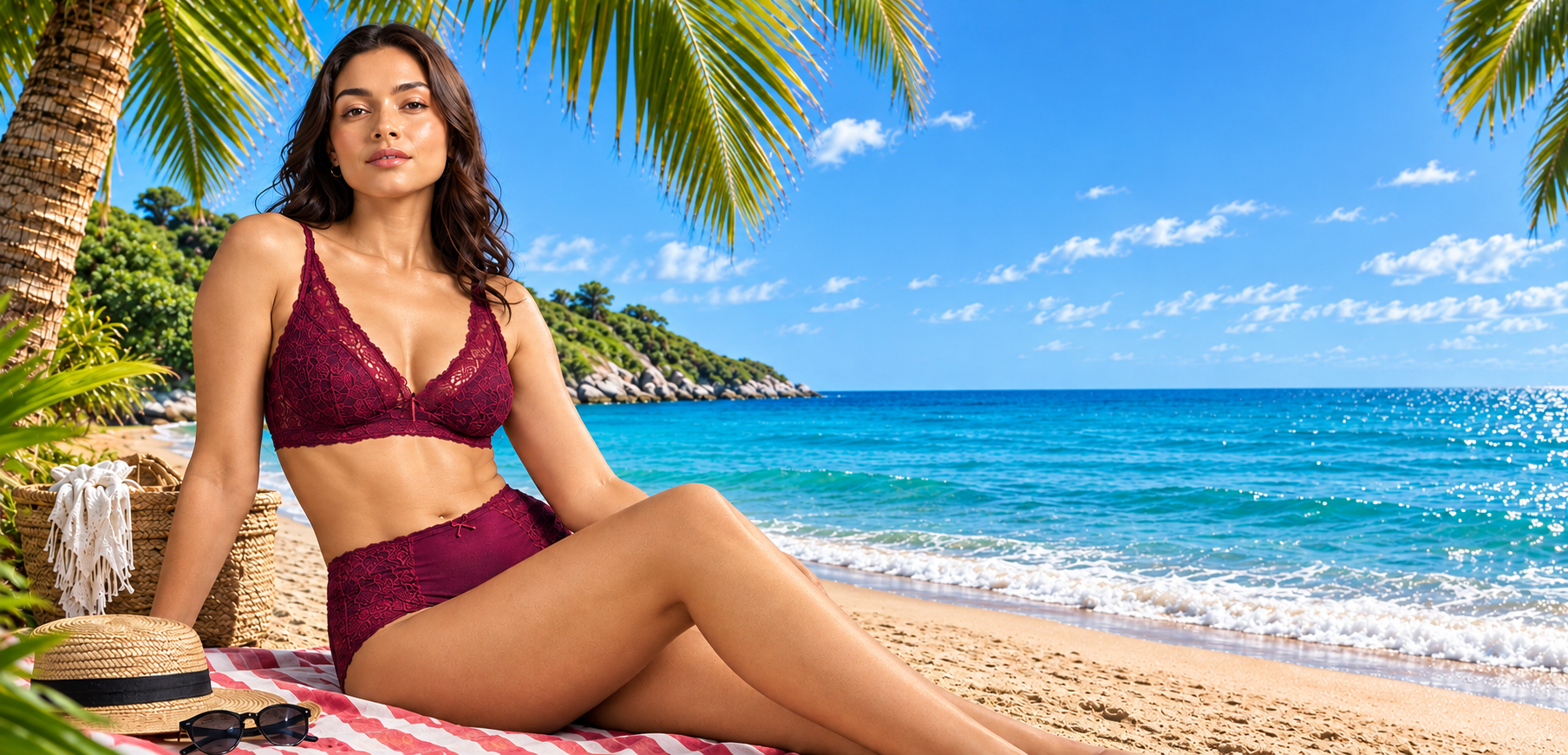
Types of Womens Underwear: Find the Perfect Fit for Every Day
Choosing underwear may seem like a small part of getting dressed, but the right style can make a noticeable difference in everyday comfort. The fit, fabric, waistband, and amount of coverage all affect how underwear feels throughout the day. A pair that works well under jeans may not be the best choice for a fitted dress, a workout session, or a relaxed day at home.
Understanding the Types of Womens Underwear can help you make better choices based on your clothing, personal preferences, and daily activities. From classic briefs and bikini panties to hipsters, boyshorts, thongs, and high-waisted styles, each design offers a different combination of coverage and fit.
At Hivra Soft, choosing innerwear starts with understanding what feels comfortable for you. There is no single style that suits every woman or every outfit. Some prefer full coverage, while others like minimal coverage or smooth finishes under fitted clothes. Fabric matters just as much, particularly when you need underwear that feels breathable during long working hours or warm weather.
This women's underwear guide explains the most common styles, their features, how to choose the right fit, and what to consider before buying your next pair.
Why Understanding the Types of Womens Underwear Matters
Underwear sits directly against your skin for much of the day, so comfort should be a priority. However, comfort means different things to different people. Your preferred style may depend on how much coverage you like, whether you wear fitted clothing, and how much movement your day involves.
Learning about different designs helps you make more informed decisions instead of choosing underwear based only on appearance.
Here are a few reasons to understand the different options:
Better everyday comfort: A suitable cut and waistband can reduce unwanted pressure and rubbing.
A more suitable fit under clothing: Some styles create fewer visible lines beneath trousers, dresses, and skirts.
Fabric suited to your routine: Cotton and other breathable materials can be useful for regular wear.
Coverage based on preference: You can choose anything from full-coverage briefs to minimal-coverage designs.
More practical shopping decisions: Knowing your preferred cut makes it easier to compare products and sizes.
The best underwear for women is not necessarily the most expensive or fashionable option. It is the pair that fits properly, feels comfortable, and suits the way you plan to wear it.
10 Types of Womens Underwear You Should Know
The main difference between women's panties types is their cut, waistband position, and coverage. Some designs provide more fabric around the hips and rear, while others have a narrower back or a higher leg opening.
Let's look at ten popular styles and where each one may fit into your wardrobe.
1. Briefs for Women: Classic Everyday Coverage
Briefs are a traditional underwear style known for their practical design and comfortable coverage. They usually cover the front and rear well, with a waistband that sits around the natural waist or lower abdomen, depending on the cut.
Classic briefs are a useful choice for women who prefer a secure fit without a narrow back or high-cut leg opening.
Why choose briefs?
They provide substantial coverage.
They are available in different rises and fabrics.
They work well for everyday activities.
They suit women who prefer a traditional underwear design.
Cotton briefs are especially worth considering for regular use because cotton is generally soft and breathable. Look for a waistband that stays in place without digging into your skin.
Among the different types of panties for women, briefs remain a practical option for anyone who values coverage and simplicity.
2. Bikini Panties: A Balanced, Everyday Style
Bikini panties have a lower rise and higher-cut leg openings than many classic briefs. They typically provide moderate rear coverage while leaving more of the hips visible.
This design works well for women who want a balance between coverage and a lighter feel. Bikini underwear is available in cotton, stretch blends, lace, and seamless constructions.
Bikini panties may suit you if:
You prefer underwear that sits below the natural waist.
You wear mid-rise jeans, casual trousers, or skirts.
You like moderate coverage without a high waistband.
You want a versatile option for everyday wear.
When comparing ladies panties styles, check how the leg openings sit against your body. A bikini cut should feel secure without pulling or leaving uncomfortable marks.
3. Hipster Underwear: Comfortable Coverage Around the Hips
Hipster underwear sits low on the waist and extends across the hips. Its wider sides distinguish it from some bikini styles, while the back usually offers moderate to fuller coverage.
Many women choose hipsters because the design feels balanced beneath casual clothing. They can work well with low-rise or mid-rise trousers, depending on the waistband height and cut.
Benefits of hipster underwear include:
Wider side coverage than many bikini designs.
A low-rise fit that works with certain casual outfits.
A choice of cotton, stretch fabric, and seamless finishes.
Moderate rear coverage for everyday use.
Hipster underwear is not automatically more comfortable than briefs or bikinis. The fit depends on your proportions, the elasticity of the waistband, and the placement of the leg openings.
If you prefer women's innerwear styles that offer coverage without a high waist, hipsters are worth considering.
4. High-Waisted Panties: More Coverage Around the Waist
High-waisted panties have a waistband that reaches the natural waist or higher, depending on the design. They often provide broad front coverage and can feel secure when paired with high-rise trousers, skirts, or dresses.
Some styles feature smooth, stretchy fabric, while others use cotton-rich materials for regular wear.
High-waisted panties may be a good choice when you want:
More coverage around the abdomen.
A waistband that aligns with high-rise clothing.
A classic silhouette with a higher rise.
A comfortable option for sitting, walking, or daily activities.
Keep in mind that high-waisted underwear does not automatically provide shapewear-level support. Ordinary panties are designed primarily for coverage and comfort, not medical support or substantial body shaping.
Choose a size that fits comfortably around your waist. A waistband that is too tight may roll, dig into your skin, or make sitting uncomfortable.
5. Boyshort Underwear: A Short-Style Cut
Boyshort underwear has a short-like shape with wider sides and fabric extending farther down the upper thighs than traditional briefs. Coverage varies by design, but the style generally provides more fabric around the sides and rear.
Women often choose boyshorts for lounging, sleeping, or wearing beneath loose-fitting clothes. They are also available in cotton, modal, microfiber, and lace.
Consider boyshorts if you prefer:
A short-like underwear silhouette.
Wider coverage around the hips.
Fabric that extends toward the upper thighs.
An alternative to conventional briefs.
Pay attention to the leg openings. If they are too tight, the fabric may ride up or create pressure around your thighs. A properly sized pair should remain comfortable while you sit and move.
Boyshorts are one of the more distinctive underwear styles for women because they combine a short-like shape with the function of everyday panties.
6. Thong Underwear: Minimal Rear Coverage
Thong underwear has a narrow strip of fabric at the back, leaving most of the rear uncovered. The front coverage can vary, and some designs feature a low-rise cut while others have a higher waistband.
Many women choose thongs when they want to minimise visible panty lines beneath fitted trousers, skirts, or dresses. The result depends on the fabric, garment thickness, and underwear construction.
Thong underwear may suit you if:
You prefer minimal rear coverage.
You want fewer visible lines under some fitted outfits.
You find narrow-back designs comfortable.
You like a lightweight underwear style.
However, thongs are not comfortable for everyone. The narrow back may cause rubbing or irritation, especially when the size or fabric is unsuitable. If a pair feels uncomfortable, switch to a different cut rather than trying to tolerate it.
For everyday use, consider soft fabric, smooth seams, and a waistband that stays in place without pressure.
7. Cheeky Panties: A Middle Ground Between Briefs and Thongs
Cheeky panties provide less rear coverage than many traditional briefs but more than most thongs. Their cut leaves part of the cheeks exposed while retaining a wider back panel than a typical thong design.
This style is popular among women who prefer a more revealing silhouette without choosing minimal coverage.
Cheeky panties can work well for:
Women who like moderate-to-minimal rear coverage.
Casual outfits and selected fitted clothing.
Those who prefer a different cut from classic briefs.
Anyone who wants variety in their underwear collection.
The exact coverage differs between brands and product designs. Check the product photographs and size information before ordering online, especially if you prefer a particular level of coverage.
8. Seamless Panties: A Smooth Finish Under Clothing
Seamless panties are designed with minimal or low-profile seams, often using stretch fabrics such as microfiber or nylon blends. Some versions use bonded edges or laser-cut finishes to reduce visible lines beneath clothing.
They are particularly useful under fitted dresses, leggings, slim trousers, and lightweight skirts.
Advantages of seamless panties include:
Fewer visible seam lines under certain fabrics.
A smooth finish against the body.
Stretch that can allow the fabric to move with you.
Availability in briefs, bikinis, hipsters, and other cuts.
The term "seamless" does not mean every part of the garment is completely free from stitching. Construction varies by product, and some designs may still show edges beneath very thin clothing.
When buying seamless underwear, check the fabric composition and care label. Choose a pair that feels comfortable against your skin and provides the coverage you prefer.
9. Full-Coverage Underwear: Practical Support for Daily Wear
Full-coverage underwear prioritises coverage across the front, sides, and rear. It can include classic briefs, selected high-waisted panties, and other designs with a broad back panel.
This category is useful for women who prefer underwear that feels secure throughout a busy day.
Full-coverage underwear may work well for:
Office wear and long working hours.
Everyday errands and casual activities.
Women who prefer more fabric around the rear.
Pairing with relaxed trousers, skirts, and everyday dresses.
Coverage alone does not determine comfort. Fabric softness, seam placement, moisture management, and correct sizing are equally important.
If you want comfortable underwear for women that you can wear regularly, begin with a well-fitting cut and a fabric that feels suitable for your routine.
10. High-Cut Panties: A Higher Leg Opening
High-cut panties feature leg openings that extend higher along the hips than those of traditional briefs. Depending on the design, they may provide moderate front and rear coverage while creating a longer-looking leg line.
They are a useful alternative for women who prefer more freedom around the upper thighs or simply like a higher-cut silhouette.
High-cut panties may be suitable for:
Women who prefer a higher leg opening.
Wearing beneath selected dresses and trousers.
Those who dislike low leg openings around the hips.
Adding variety to an everyday underwear collection.
Before purchasing, check the position of the leg openings and the amount of rear coverage. High-cut underwear can vary considerably from one product to another.
How to Choose the Best Underwear for Women
Knowing the different types of women's panties is only the first step. The right purchase also depends on fit, fabric, activity, and the clothes you wear most often.
Use the following factors to narrow your options.
1. Choose a Fabric That Suits Your Routine
Fabric affects how underwear feels against your skin. A style that looks attractive may not be suitable for long hours if the material feels rough or traps too much heat.
Common choices include:
Cotton: A familiar option for regular wear because it is soft and breathable. Cotton-rich fabrics can be useful in warm weather.
Cotton blends: These combine cotton with fibres such as elastane to provide stretch and help the garment retain its shape.
Microfiber: Often lightweight and smooth, making it useful for seamless or low-profile designs.
Modal: A soft, smooth fibre used in some underwear products. Its feel and performance depend on the fabric blend and construction.
Lace: Often chosen for its decorative appearance. Look for soft lace and comfortable edges if you plan to wear it for extended periods.
For everyday underwear for women, cotton or cotton-rich options are often a practical starting point. If you prefer synthetic fabrics, check whether the product includes a cotton gusset and follow its care instructions.
No single fabric is ideal for everyone. Personal comfort, climate, fit, and skin sensitivity all matter.
2. Get the Size Right
The correct size should feel secure without pinching, pulling, or slipping. Underwear that is too small can create pressure around the waistband and leg openings, while an oversized pair may bunch up or move around.
Before ordering online:
Check the brand's size chart.
Measure your waist and hips if the chart recommends it.
Compare your measurements with the listed size range.
Read product-specific fit notes.
Check the exchange and return policy before purchasing.
Do not assume that the same size will fit identically across every brand or underwear style. A medium in one cut may feel different from a medium in another because the fabric, rise, and elasticity vary.
If you are between sizes, use the brand's guidance rather than automatically choosing a smaller size for a closer fit.
3. Match Your Underwear to Your Outfit
Different outfits may call for different cuts. Thinking about the clothing you wear most often can help you select practical options.
| Outfit or activity | Styles worth considering |
|---|---|
| Everyday jeans and casual trousers | Briefs, bikinis, hipsters |
| High-rise jeans or skirts | High-waisted panties, briefs |
| Fitted dresses | Seamless panties, thongs, cheeky panties |
| Leggings | Seamless styles or smooth-fitting underwear |
| Lounging at home | Briefs, boyshorts, cotton panties |
| Long working hours | Well-fitting briefs, hipsters, full-coverage styles |
| Warm-weather everyday wear | Breathable cotton panties for women |
These are starting points, not strict rules. Your preferred fit and the thickness of your clothing will affect which style works best.
4. Consider Your Daily Activities
Your underwear should allow you to move comfortably. For a day involving lots of walking, choose a cut that stays in place and does not rub against your skin.
For exercise, look for underwear that fits securely and works well with your workout clothes. Moisture-wicking fabric may help manage perspiration, although it does not replace changing out of damp clothing after exercise.
For sleeping or relaxing, you may prefer soft cotton briefs, boyshorts, or another loose-feeling style. Some people also find sleeping without underwear comfortable; the choice depends on personal preference.
5. Look at the Waistband and Seams
A waistband should remain in place without digging into your skin. Leg openings should feel secure but should not pinch, and seams should not cause rubbing.
If your underwear frequently rolls down, rides up, or leaves deep marks, reassess the size and cut. The issue may be the design rather than the entire underwear category.
Smooth seams and soft edges can make a noticeable difference when you wear underwear for several hours.
Types of Womens Underwear for Different Needs
A useful way to choose between the different types of panties for women is to start with your main requirement.
For Everyday Comfort
Briefs, bikinis, and hipsters are practical starting points. They come in different rises and coverage levels, allowing you to choose a fit that feels natural during regular activities.
Cotton panties for women can be a sensible option for everyday use, especially when you prefer a soft fabric with good breathability.
For Fitted Dresses and Trousers
Seamless panties can help reduce visible edges beneath fitted clothing. Thongs and cheeky panties may also suit some outfits, depending on the amount of coverage you prefer.
Try underwear with your actual outfit when possible. A style that appears invisible in product photographs may still show beneath thin or light-coloured fabric.
For More Waist Coverage
High-waisted panties and high-rise briefs provide additional fabric around the waist. They can be useful beneath high-rise bottoms and for women who simply prefer a higher waistband.
Check the waistband height against your clothing so the underwear sits where you want it to.
For Minimal Coverage
Thong underwear is an option for women who prefer a narrow back panel. Cheeky panties offer another alternative, with more rear coverage than most thongs.
Comfort should guide the decision. Neither style is necessary for a particular outfit, and full-coverage underwear can work just as well when it suits the clothing and fit.
For Relaxed Days
Boyshort underwear and soft briefs can be comfortable choices for lounging. Look for breathable fabric and leg openings that do not feel restrictive when sitting or stretching.
Common Underwear Buying Mistakes to Avoid
Even when you know the main women's panties types, a few common mistakes can lead to uncomfortable purchases.
Choosing style over fit: A design may look attractive but still be unsuitable if the waistband pinches or the leg openings pull.
Ignoring fabric composition: Read the product description instead of assuming all cotton, lace, or seamless underwear feels the same.
Buying every style in the same size without checking: Different cuts and fabric blends may fit differently.
Keeping underwear that causes irritation: Persistent rubbing or discomfort is a reason to stop wearing that pair and try another fit or fabric.
Ignoring garment care: Hot water, unsuitable detergents, or excessive heat during drying may damage elastic fibres. Follow the care label to help preserve the garment.
Buying only one style: A small selection of briefs, seamless panties, and another preferred cut can give you practical choices for different outfits and activities.
How to Care for Women's Underwear
Proper care helps maintain the fit, softness, and appearance of your underwear.
Wash underwear according to the care label.
Separate delicate lace or fine fabrics when necessary.
Use a gentle detergent if your skin is sensitive to fragranced products.
Avoid excessive heat when drying elastic or synthetic fabrics.
Store clean underwear in a dry, well-ventilated drawer.
Replace pairs when the elastic becomes loose, the fabric thins, or the garment no longer fits comfortably.
Change underwear regularly and after activities that leave it damp with sweat. If a particular fabric or product causes recurring irritation, discontinue use and consider professional medical advice if the problem persists.
Building a Practical Everyday Underwear Collection
You do not need every underwear style to have a useful collection. Start with the cuts you reach for most often and add alternatives based on your wardrobe.
A simple collection might include:
Cotton briefs or bikinis for regular daily wear.
Hipsters if you prefer wider sides and a lower rise.
Seamless panties for fitted trousers and dresses.
High-waisted panties for high-rise outfits or additional waist coverage.
Boyshorts or another relaxed style for lounging.
A preferred minimal-coverage option, such as a thong or cheeky panty, if you find it comfortable.
This list is only a starting point. Your ideal collection may include more briefs and fewer alternatives, or it may centre on seamless designs. Choose according to your habits rather than purchasing styles you are unlikely to wear.
When shopping with Hivra Soft, compare the product's cut, fabric, size information, and care instructions before making a decision. Clear product details make it easier to choose underwear that matches your preferences.
Conclusion: Find Your Preferred Types of Womens Underwear
The right underwear should work with your body, clothing, and daily routine. Understanding the Types of Womens Underwear makes it easier to compare classic briefs, bikini panties, hipsters, high-waisted styles, boyshorts, thongs, cheeky panties, seamless designs, and full-coverage options.
For everyday use, begin with a comfortable fit and a fabric that feels good against your skin. Consider the waistband, leg openings, rear coverage, and how the underwear sits beneath your usual outfits. If a pair pinches, rides up, or causes irritation, try another size, cut, or material.
There is no universal answer to which underwear style is best. The best choice is the one that offers the coverage you prefer, fits properly, and remains comfortable throughout your day. With a little attention to fabric, sizing, and construction, you can create an underwear collection that suits your needs without unnecessary purchases.
Hivra Soft encourages a practical approach to innerwear: understand your options, check product details, and choose the styles that feel right for you.
Frequently Asked Questions About the Types of Womens Underwear
1. What are the main types of womens underwear?
The main types include briefs, bikini panties, hipsters, high-waisted panties, boyshorts, thongs, cheeky panties, seamless panties, high-cut panties, and full-coverage underwear. Each style offers a different rise, leg opening, and amount of coverage.
2. Which underwear style is best for everyday use?
Briefs, bikinis, and hipsters are popular choices for everyday use because they offer practical coverage in a range of fabrics. Cotton or cotton-rich underwear may be a good starting point if you prefer soft, breathable materials. The best option depends on your fit and comfort preferences.
3. What is the difference between bikini panties and hipster underwear?
Bikini panties generally have a lower rise, higher leg openings, and moderate coverage. Hipster underwear typically sits across the hips and has wider sides. The exact difference varies by brand, so compare the product cut and measurements before buying.
4. Are seamless panties better for fitted clothes?
Seamless panties can reduce visible underwear lines beneath fitted clothing because they often have smooth edges and minimal seams. However, results depend on the garment's fabric, colour, thickness, and the underwear's construction. A seamless design may still be visible under very thin clothing.
5. How do I choose the correct underwear size?
Use the brand's size chart and measure your waist and hips if required. Choose a size that stays in place without pinching, digging, or bunching. If your usual size feels different across various women's underwear styles, check the individual product's fit guidance.
6. Which types of women's panties provide the most coverage?
Classic briefs, selected high-waisted panties, and full-coverage designs generally offer more coverage across the front, sides, and rear. Coverage varies between products, so check the rise, leg openings, and back-panel design before purchasing.
7. Are cotton panties for women suitable for everyday wear?
Cotton panties can be a practical everyday option because cotton is generally soft and breathable. A cotton-rich blend with a little elastane may provide additional stretch. Check the fabric composition and choose a fit that feels comfortable during your usual activities.
8. How many types of womens underwear should I own?
There is no required number. A practical collection might include a few pairs of your preferred everyday style, some seamless underwear for fitted outfits, and other cuts that suit your wardrobe. Choose enough clean pairs for your laundry routine and replace garments when they lose their fit or condition.